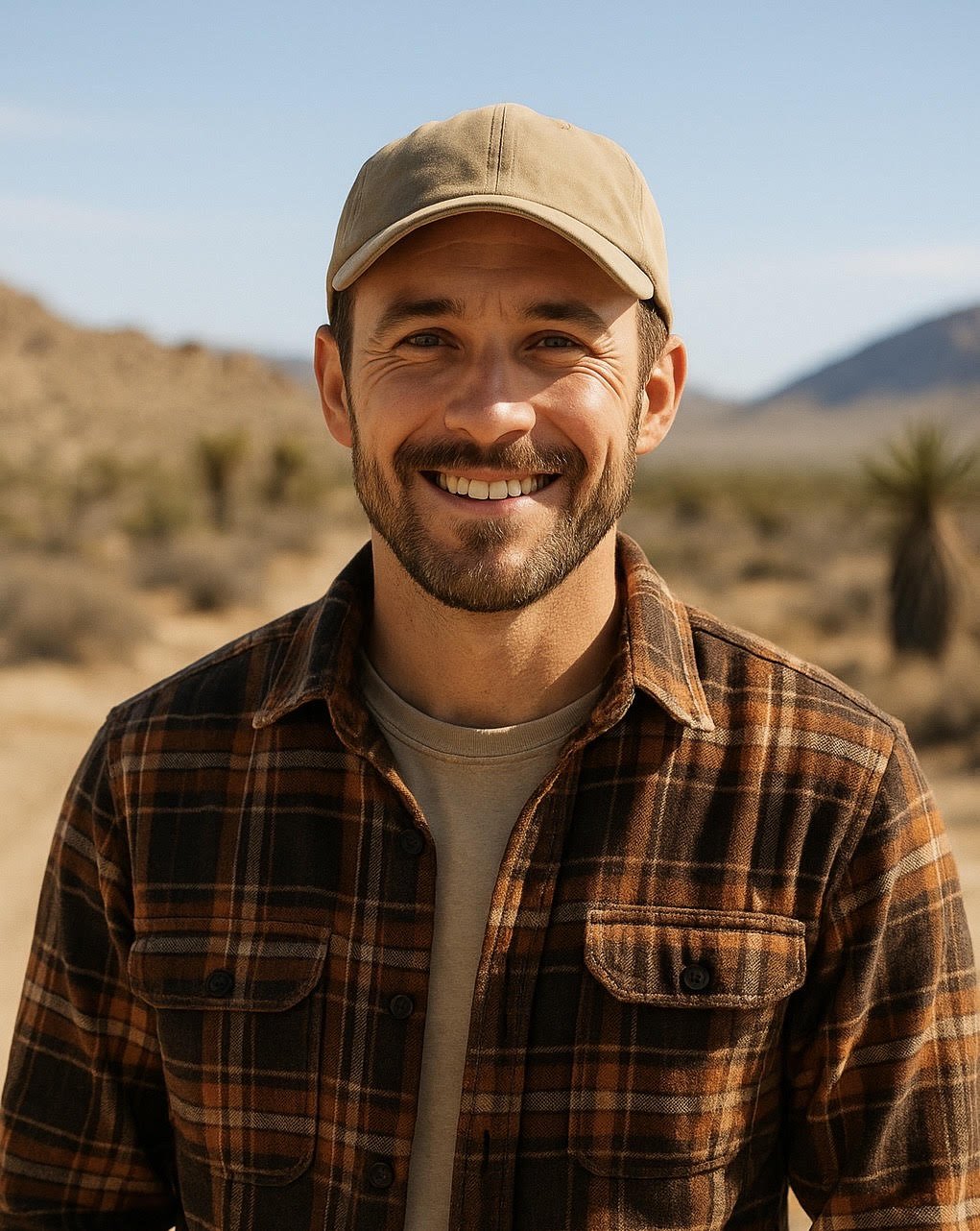
Hidden Boondocking Spots the Crowds Haven't Found Yet
How to Find Quiet, Beautiful Campsites Without Following the Crowd
If you've ever pulled into a beautiful campground only to find every campsite full, you're not alone.
As RVing has grown in popularity, many of the best-known boondocking locations have become...well...not so hidden anymore.
Social media has been a blessing and a curse for RV travelers. One viral YouTube video or Instagram post can turn a quiet desert campsite into a small RV village almost overnight.
The good news?
There are still thousands of peaceful places to camp if you're willing to look a little differently.
Here's how I find them.
First, Forget the Famous Places
Everyone has heard of places like Quartzsite, Sedona, Moab, and Joshua Tree.
They're beautiful.
They're also busy.
Instead of searching for famous destinations, start looking for regions rather than specific campsites.
For example, instead of searching:
"Best boondocking near Moab."
Search:
"BLM land within 50 miles of Moab."
You'll often discover quieter locations just outside the popular areas.
Public Land Is Your Friend
One of the greatest things about RV travel in the western United States is the amount of public land available.
Many excellent dispersed camping opportunities exist on:
Bureau of Land Management (BLM) land
National Forest land
Some state trust lands
Certain Wildlife Management Areas (where permitted)
Many of these locations are free or have very low camping fees.
Always verify local regulations before staying overnight.
Explore Forest Service Roads
One of my favorite ways to find peaceful campsites is by exploring Forest Service roads.
You'll often find:
Mountain views
Lakes
Rivers
Wildlife
Cool summer temperatures
Many roads have numerous dispersed camping pullouts that never appear in campground directories.
The farther you get from paved highways, the quieter things usually become.
Arrive Midweek
Here's something I've learned over the years.
The exact same campsite can feel completely different depending on the day.
A place that's overflowing on Saturday may be nearly empty on Tuesday.
If your schedule allows, travel during the week whenever possible.
You'll often enjoy:
More campsite choices
Less generator noise
Better scenery
More wildlife
A quieter experience
Look Beyond the Big Attractions
Many travelers head directly toward famous national parks.
Instead, consider camping just outside the park boundaries.
You'll often find:
Less traffic
Lower costs
Larger campsites
Easier access
More solitude
Then simply drive into the park during the day.
It's often the best of both worlds.
Learn to Read Maps
One skill every boondocker should develop is reading maps instead of relying entirely on campground apps.
Satellite imagery can reveal:
Dirt roads
Open clearings
River access
Forest openings
Desert pullouts
It's amazing how many potential campsites become visible once you start looking from above.
Respect the Places You Find
Here's something I really want you to hear.
One reason hidden campsites disappear is because people don't treat them well.
Leave every campsite cleaner than you found it.
Pack out everything you bring in.
Respect fire restrictions.
Stay on established roads.
Avoid damaging vegetation.
When travelers take care of these places, they remain open for everyone.
Sometimes the Best Campsite Isn't the Most Scenic
It's easy to chase dramatic mountain views.
But after years of traveling, I've learned that my favorite campsites usually have something else:
Peace.
A quiet evening.
A good sunset.
Coffee outside in the morning.
Sometimes those memories come from places that would never appear on a postcard.
Be Flexible
Some of my favorite boondocking spots were never part of the plan.
I found them simply because I was willing to keep driving another ten miles.
Don't become locked into one destination.
Leave room for discovery.
That's one of the greatest joys of RV travel.
Safety Still Comes First
Before settling into any dispersed campsite, ask yourself:
Is the road suitable for my RV?
Can I safely turn around?
Is there enough clearance for trees or rocks?
Do I have enough water?
Is weather likely to change?
Do I have a backup campsite if this one doesn't work?
A little planning makes boondocking far more enjoyable.
My Favorite Kind of Morning
For me, the perfect campsite isn't measured by hookups or amenities.
It's waking up to complete silence.
Watching the sunrise while sipping coffee.
Hearing birds instead of traffic.
Feeling like, for one night at least, you've discovered your own little corner of the world.
That's what keeps bringing me back to boondocking.
Not because it's free.
Because it's peaceful.
Five Tips for Finding Hidden Boondocking Spots
Search regions instead of famous campgrounds.
Explore Forest Service and BLM roads.
Travel during the week whenever possible.
Leave every campsite better than you found it.
Stay flexible and be willing to explore.
Frequently Asked Questions
Is boondocking legal everywhere?
No. Always check the rules for the land you're visiting. Public land agencies and local authorities often have different regulations regarding dispersed camping.
How long can you stay in one boondocking spot?
Stay limits vary depending on the managing agency and location. Always check local regulations before setting up camp.
Do I need four-wheel drive?
Not always. Many dispersed campsites are accessible by two-wheel-drive vehicles, but road conditions can change quickly due to weather. Always evaluate the road before driving a larger RV onto it.
Is boondocking safe?
It generally can be, especially when you plan ahead, choose appropriate locations, and stay aware of weather, road conditions, and your surroundings.